
Surfaces That Shed Water Instead of Holding It
Driveway cleaning in Goleta for concrete and paver surfaces weathered by salt spray and temperature shifts
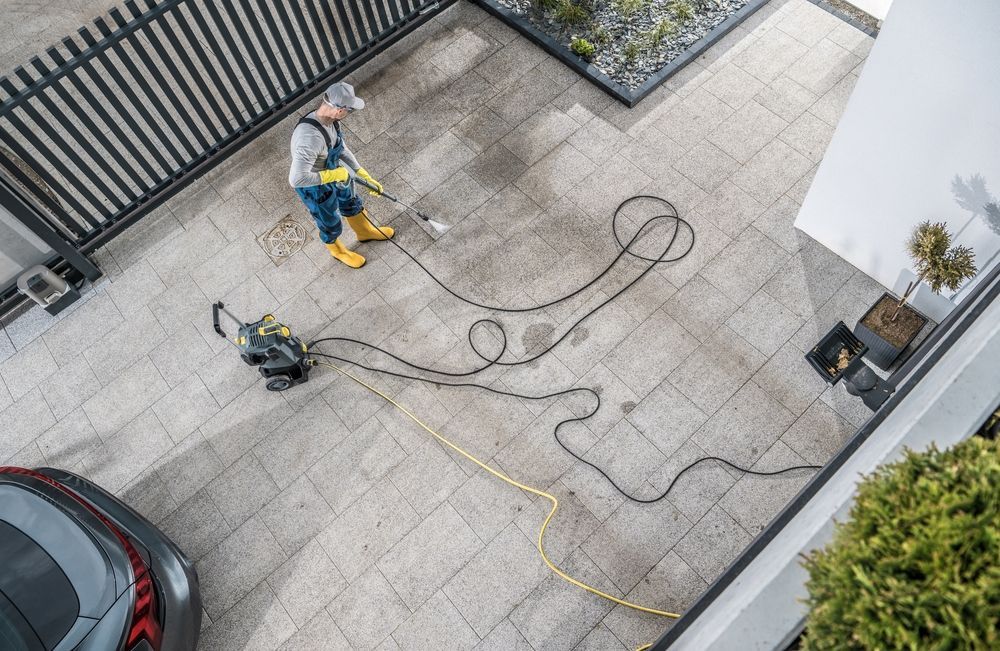
Santa Barbara driveways develop algae growth and mineral deposits faster than interior locations due to the combination of coastal salt spray and temperature variance between marine layer mornings and warm afternoons. This cycling creates surface conditions where organic growth takes hold in concrete pores and paver joints, eventually creating the dark staining and slippery film that indicates biological colonization rather than simple dirt accumulation. Time To Shine removes this weathered buildup from residential and commercial driveways using pressure washing equipment selected based on surface type, with specific attention to grout lines and joint sand that standard cleaning often leaves partially contaminated. Once cleaned, surfaces drain properly during rain events instead of holding water in low spots where algae previously created an impermeable layer.
The process addresses both broad surface contamination and the detail work required in expansion joints, control cuts, and the transition zones where driveways meet garage floors or street aprons. High-traffic areas near entries and parking positions often show accelerated wear patterns that require adjusted pressure settings to clean effectively without eroding weakened concrete or displacing paver joint material.
Request an evaluation to review surface condition and receive pressure settings appropriate for your specific driveway material and weathering level.
The Difference Between Surface Cleaning and Joint Restoration
Equipment selection varies based on whether the driveway consists of poured concrete, stamped concrete, concrete pavers, or natural stone—each material responds differently to pressure and requires specific technique to avoid surface erosion or joint damage. Written checklists ensure the same standards apply every visit, preventing the inconsistency that occurs when different crew members make independent decisions about pressure settings and coverage patterns. The bonded and insured team handles both high-traffic commercial surfaces and delicate residential installations where decorative finishes require careful approach.
After cleaning, driveways that had turned uniformly dark from biological growth show their original concrete color or paver tone variation. Joint lines between pavers appear clean and properly defined rather than obscured by algae and efflorescence buildup, and surfaces feel textured rather than slippery when walked on during damp conditions. Water sheets off cleaned concrete instead of pooling in areas where algae had created hydrophobic patches that repelled drainage.
Grout and joint attention ensures that the spaces between pavers and control cuts in concrete receive the same cleaning intensity as broad surfaces. These recessed areas collect organic material and salt deposits that contribute to accelerated deterioration if left to cycle through repeated wet-dry periods, and proper cleaning extends surface life by preventing this trapped contamination from breaking down bonding materials.
What Property Owners Usually Ask
Driveway cleaning questions typically focus on pressure equipment safety, how quickly surfaces re-contaminate in coastal areas, and what preparation the property owner needs to complete before service.
How does pressure washing avoid damaging concrete?
Pressure adjustment based on surface hardness and condition prevents the erosion and aggregate exposure that occurs when excessive force is applied to weathered concrete or when nozzles are held too close to decorative finishes and stamped patterns.
Why do Goleta driveways get slippery and stained?
Coastal moisture and temperature cycling create ideal conditions for algae colonization, particularly in shaded areas or on north-facing surfaces where marine layer moisture lingers longer and provides the sustained dampness biological growth requires.
What happens to paver joint sand during cleaning?
Proper technique minimizes joint sand displacement by using appropriate pressure angles and nozzle selection, though some sand loss is normal and may require replacement to maintain paver stability and weed prevention between units.
How long does driveway cleaning take?
Duration depends on surface area, contamination severity, and material type, with heavily soiled driveways requiring additional dwell time for cleaning solutions to break down biological growth before pressure washing removes loosened deposits.
Can cleaning remove oil stains and tire marks?
Organic growth, mineral deposits, and general weathering respond well to pressure washing, while petroleum-based stains often require specific treatment products and may leave ghost shadows even after aggressive cleaning due to concrete absorption.
Time To Shine provides driveway cleaning for Goleta properties with equipment selection and technique adjustment based on surface type and coastal weathering patterns. Schedule service at (805) 965-6777 to restore drainage function and traction to weathered concrete and paver surfaces.